
Getting Closer to the Ngaben Tradition: A Unique Death Ritual in Bali
Bali, an island known for its natural beauty and rich culture, has many traditions that color the lives of its people. One of the most famous traditions is Ngaben, a funeral ritual that is an important part of the Hindu philosophy of life in Bali. This article will delve into the Ngaben tradition, the meaning behind it, and how this ritual serves as a symbol of respect and the transition of the soul.
Related Posts:
What is Ngaben?
Ngaben, or in Sanskrit called "Pitra Yadnya," is a cremation ceremony performed by Hindus in Bali. This ceremony is carried out as a final tribute to the deceased and is believed to be a way to release the soul from the physical body so it can continue its spiritual journey. The process of Ngaben is not merely a burial; it is also a celebration of life and a tribute to the spirit.
Spiritual Significance of Ngaben
1. Transition of the Soul
In Hindu belief, the soul is thought to undergo reincarnation or rebirth. Ngaben aims to separate the soul from the physical body and prepare it for a journey to a better place. By performing Ngaben, families hope that the soul of the deceased can attain moksha or liberation from the cycle of rebirth.
2. Tribute to the Deceased
Ngaben also represents a form of honor from the bereaved family. They make all preparations with devotion and love, including arranging the necessary tools and offerings for the ceremony to ensure the spirit can continue its journey peacefully.
The Process of Ngaben Ceremony
The Ngaben ceremony involves several stages that are quite complex and can take a considerable amount of time, depending on the social and economic status of the deceased's family. Here are the stages of Ngaben:
1. Preparation
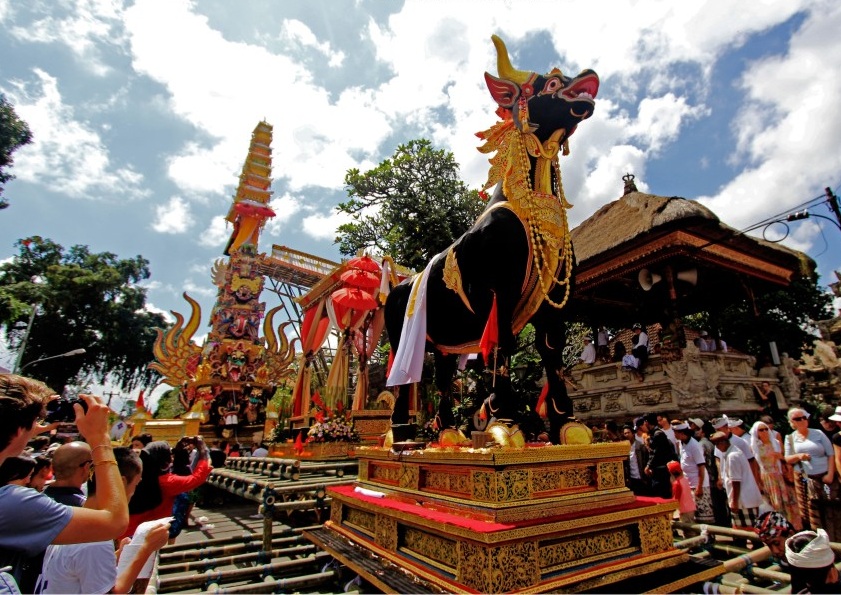
Before the Ngaben ceremony, the family will engage in various preparations, including creating a "bade" (a ceremonial structure to carry the body) usually made of wood and adorned with various ornaments. The family also performs smaller rituals to cleanse and prepare the spirit of the deceased.
2. Day of the Ceremony
On the day of the ceremony, the body, wrapped in white cloth, is placed on the bade. This procession is accompanied by gamelan music and traditional dance, creating a solemn atmosphere. Family and relatives will pray, offer offerings, and perform worship rituals for the deities.
3. Cremation
After all rituals are completed, the body is taken to the cremation site, usually a location designated by the family. The cremation is carried out to burn the body and eliminate all physical traces, allowing the soul to transition smoothly. This cremation process is often followed by a ritual scattering of the ashes in a sacred place, such as a river or the sea.
Unique Traditions and Variations of Ngaben
Although Ngaben is a common tradition, its implementation can vary based on location and the social background of the community. Some villages may have unique traditions, such as mass Ngaben ceremonies for less privileged communities. In some cases, those who die within a short time may be cremated together in a single ceremony.
Ngaben in the Modern Era
In the modern era, even as technology and foreign cultures increasingly influence Bali, the Ngaben tradition is still preserved and has become more recognized among tourists. Some travel agencies offer packages that allow visitors to witness the Ngaben ceremony. Of course, visitors must respect and not disrupt the proceedings of this sacred ritual.
Conclusion
The Ngaben tradition in Bali is not just a funeral ritual but a symbol of respect, the transition of the soul, and cultural preservation. By following the process and gaining a profound understanding of Ngaben, we can better appreciate the culture present in Bali. Through this article, it is hoped that readers can gain deeper insight into the meaning and execution of Ngaben, allowing them to honor this unique cultural heritage. By knowing and understanding the Ngaben tradition, we can maintain and preserve this rich culture for future generations.
Related Posts:
The Secrets Behind Nyepi: When All of Bali Stops to Hear Its Own Heartbeat |Balinese Culture: Harmony Between Religion, Nature, and Daily Life |The Uniqueness of Galungan and Kuningan Ceremonies in Bali: A Symbol of Dharma's Victory |3180 889 Budaya bali
Video

0 Comments